The Ins and Outs of Postpartum Belly Binding
Belly Binds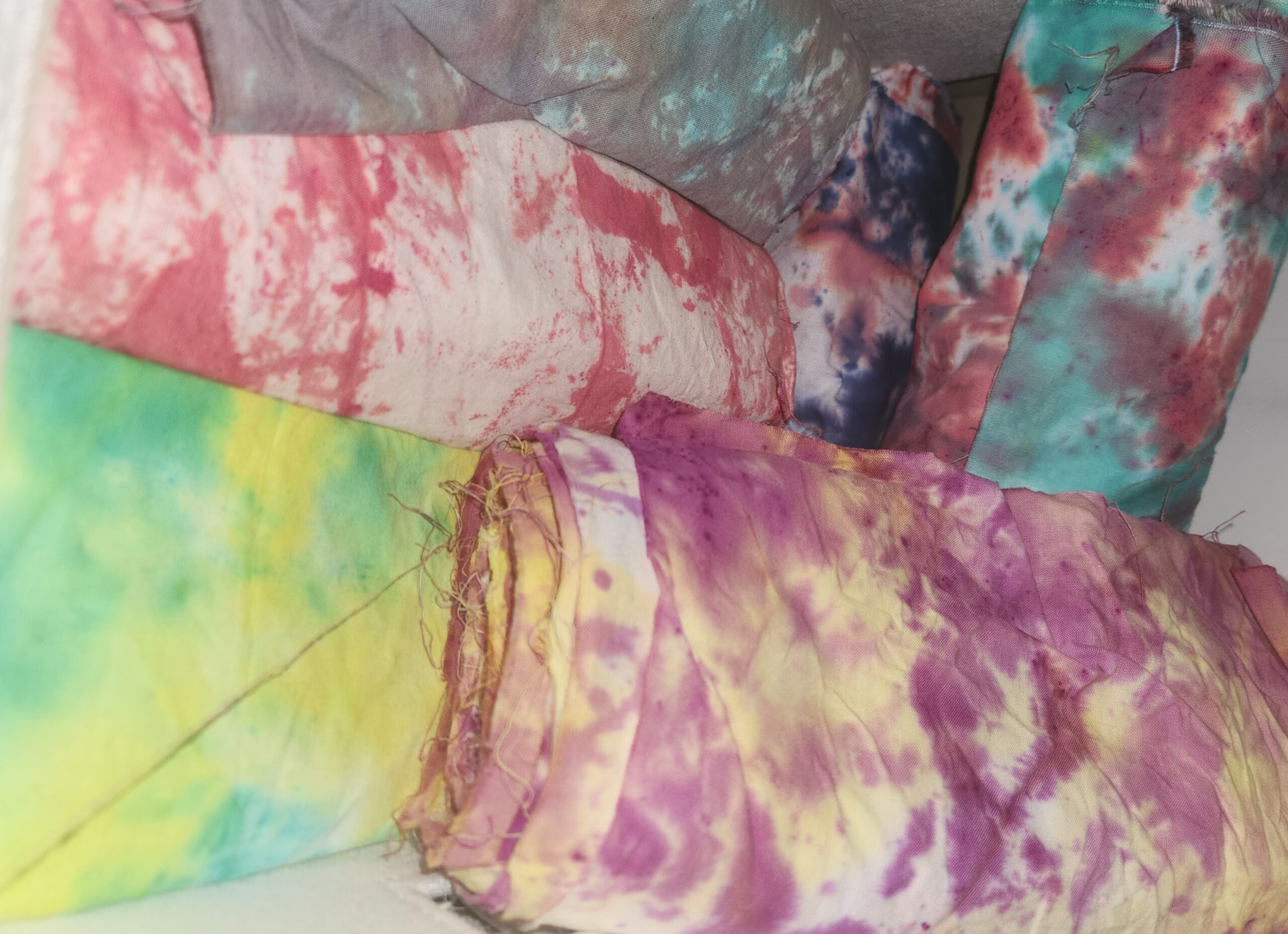
What is Postpartum Belly Binding?
Postpartum is a season of deep transition, physically, emotionally, and spiritually. As the body begins to recover from pregnancy and birth, many families are drawn to supportive, time-honored practices. One of these practices is postpartum belly binding, including the traditional Bengkung method.
Belly binding uses long strips of cloth wrapped from the hips up to the ribcage to provide gentle, consistent compression. Rooted in generations of postpartum care, Bengkung binding is about more than physical recovery, it’s a way of nurturing and supporting the body as it finds its balance again.
So Many Benefits
One of the most well-known benefits is abdominal support. During pregnancy, the abdominal muscles stretch and may separate (diastasis recti). Binding offers gentle reinforcement to these muscles as they begin to come back together. While it’s not a standalone solution, it can be a helpful complement to core healing.
Many women also experience relief from back pain and instability. After birth, ligaments remain loose, and the body can feel unsupported. Belly binding helps stabilize the core and pelvis, offering a sense of grounding during this tender time.
Posture is another area where binding can help. Between feeding and holding a newborn, it’s easy to fall into the “nursing slouch.” The wrap provides subtle structure, encouraging better alignment and reducing strain on the spine.
About the daily logistics of belly binding
Typically, belly binding is worn for 8-12 hours a day for about 40 days postpartum. It can begin within the first week after a vaginal birth, or around 3-4 weeks after a C-section, with guidance from a care provider.
As with any practice, safety matters. Binding should feel supportive, not restrictive. Wrapping too tightly can cause discomfort, skin irritation, restricted blood flow, or difficulty breathing. It’s also important to pair binding with gentle movement and core reconnection over time. Lack of movement paired with prolonged binding can cause the abdominal muscles to weaken, the opposite of what we want.
At its heart, belly binding is an invitation to slow down, to be held, and to honor the work your body has done. In a culture that often rushes postpartum recovery, it’s a simple reminder: healing deserves care, time, and support.
If you are looking for support with belly binding, contact us at 704.642.3943 or if you think more postpartum support would serve you, start here for more details
[/vc_column_text][/vc_column][/vc_row]